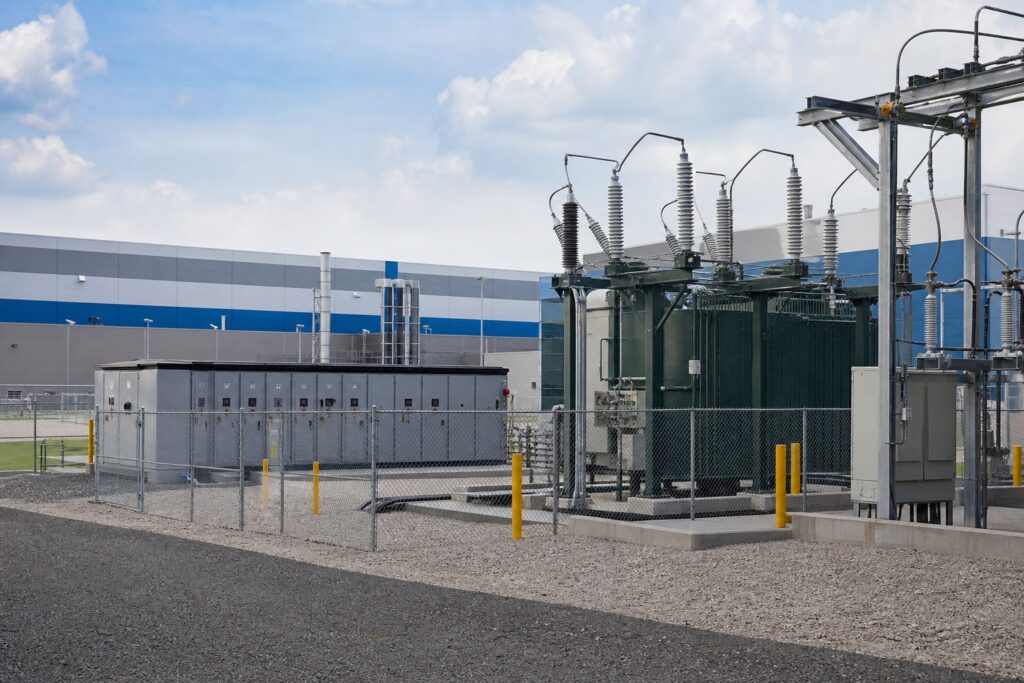
A manufacturing expansion can look ready on a floor plan while major electrical and controls decisions remain open. The new equipment may fit, but the project still needs an agreed power supply, reliable interfaces with existing systems, and a workable path through testing and startup.
Manufacturing expansion planning should connect the production objective to these technical dependencies before procurement fixes the design. For an existing plant adding equipment or a production line, the following checklist helps owners turn assumptions into documented decisions. It also provides a practical basis for defining manufacturing expansion advisory services.
1. Define the operating change before the equipment list
Start with the intended operating condition: products, production rate, shifts, simultaneous equipment operation, and acceptable interruptions. Identify which existing lines must keep running during construction and commissioning. Record future expansion allowances separately so an uncertain later phase does not silently become today’s design requirement.
Collect current electrical one-lines, equipment information, available demand records, control-system architecture, previous studies, and known reliability issues. Mark the status of each input: verified, vendor preliminary, or awaiting field confirmation. A drawing labeled “as-built” still needs its relevance checked against subsequent plant modifications.
2. Separate utility screening from engineering confirmation
Use staged reviews. First, screen the proposed demand and service arrangement with the utility and identify information needed for a formal response. Record assumptions about service availability, utility work, commercial commitments, and timing. A preliminary conversation should remain a planning assumption until the applicable utility process confirms it.
Next, have the responsible electrical engineer assess the existing distribution system and proposed loads. An unused breaker position does not establish usable system capacity. The review should consider equipment ratings and condition, loading, operating configurations, and the effects of the proposed connection.
Then agree the study scope and approval sequence. Depending on the change, this may include load flow, short circuit, protective-device coordination, arc flash, motor starting, grounding, or harmonics. Define who supplies the model and utility data, who performs or updates each study, and who accepts the results. Update assumptions when final vendor data arrives, before releasing dependent settings, equipment selections, or startup decisions.
NavonLogic’s industrial power systems and protection support includes study definition, review, and coordination. Direct study execution or specialist involvement is established for the specific engagement.
3. Use an owner input and decision checklist
| Owner input | Review deliverable | Decision to resolve |
|---|---|---|
| Production target and operating scenarios | Agreed project basis and assumptions register | Which operating case governs the expansion? |
| Demand records, one-lines, and utility correspondence | Capacity questions and study scope | What must be confirmed before procurement? |
| Vendor packages and existing controls documentation | Interface and responsibility matrix | Who owns each signal, interlock, and software change? |
| Production calendar and shutdown limits | Integrated outage and commissioning milestones | Which work fits the available outage? |
| Operating requirements and acceptance criteria | FAT/SAT coverage and issue register | What evidence permits shipment and startup? |
| Maintenance, training, and document requirements | Turnover and readiness checklist | Who accepts the installation for operation? |
4. Give every controls interface an owner
A vendor package boundary often becomes a project gap. Identify connections among the new equipment, existing PLC or DCS, SCADA/HMI, electrical protection, and shared utilities. For each interface, record the originating system, receiving system, required behavior, documentation owner, and verification responsibility.
Review normal operation alongside loss of communications, equipment trips, utility interruptions, and restart conditions. Agree which system authorizes operation and where status and alarms appear. Any change affecting a safety function needs review through the project’s applicable safety process and assigned competent specialists.
Include network segmentation, access arrangements, software versions, and recovery requirements in controls and automation planning. NIST SP 800-82 Rev. 3 recommends controlled configuration changes and maintained, tested backups for OT systems; these are useful inputs to an expansion’s change and turnover requirements. See sections 6.2.4.2–6.2.4.3 of NIST’s OT security guide.
5. Plan FAT, SAT, and the outage together
Define factory acceptance testing (FAT) coverage before the vendor builds its test plan. State what can be demonstrated at the factory, which interfaces will be simulated, what evidence is required, and which open issues prevent shipment.
Site acceptance testing (SAT) and commissioning should address the installed configuration and interfaces that factory testing could not represent. Assign test preparation, execution, witness, acceptance, and retest responsibilities. Include specialist electrical testing as a separately defined scope where required.
Build the outage plan around prerequisites: approved designs, available equipment, agreed procedures, contractor readiness, and a defined recovery decision if work cannot finish as planned. The site’s authorized personnel must control isolation and return-to-service activities under applicable procedures.
Account for training changes as well. For covered servicing and maintenance, OSHA 1910.147(c)(7)(iii) addresses retraining when equipment or process changes introduce a new hazard, or when energy-control procedures change. Have the responsible site team assess the expansion’s implications. See OSHA’s hazardous-energy control standard.
A hypothetical production-line expansion
Consider an existing plant adding a packaging line and shared compressed-air equipment. This is an illustrative example, not a NavonLogic project case study.
The initial equipment quotation includes local controls. The readiness review asks whether the plant supply supports the agreed operating scenario, who updates the electrical study inputs, and how loss of shared compressed air affects both lines. It also identifies who supplies plant-level alarms and what must be demonstrated during the available shutdown.
The resulting decisions may change vendor scope, procurement timing, and test coverage. Documenting them before purchase gives the owner a clearer basis for evaluating the expansion.
6. Assign approval authority and startup evidence
Name the owner representative who authorizes scope, cost, and schedule changes. Identify the responsible design approvers, utility approval interfaces, and operations personnel who release the system for use. Vendors should route substitutions and software changes through those agreed authorities.
Before startup, review completed verification records, approved configurations, unresolved issues, operating procedures, training, backups, and turnover documents. Every remaining issue needs an owner, due date, and disposition; safety or functional blockers require resolution before the affected activity proceeds. This is the connection between capital project advisory and commissioning and startup readiness.
Planning an expansion? Discuss your manufacturing expansion with NavonLogic. Share the project stage, equipment scope, target startup, and known constraints to define an appropriate owner-side review and coordination scope.
Sources checked September 6, 2026: NIST SP 800-82 Revision 3, September 2023, sections 6.2.4.2–6.2.4.3; 29 CFR 1910.147(c)(7)(iii)(A). Project-specific engineering, safety procedures, and acceptance requirements must be established by the responsible project parties.